
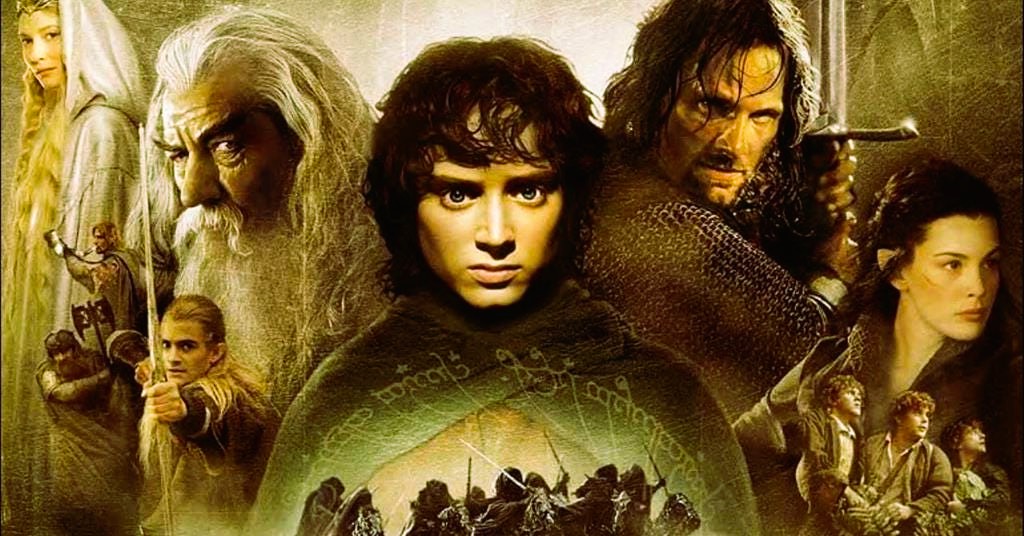
From Tolkien to Tamriel: How Fantasy Literature Shaped Gaming
Fantasy literature has long captured the imaginations of readers, transporting them to otherworldly realms filled with magic, mythical creatures, and epic quests. The influence of these literary masterpieces extends beyond the page, leaving an indelible mark on the gaming industry. In this article, we explore how iconic works of fantasy literature, from J.R.R. Tolkien’s The Lord of the Rings to the expansive world of Tamriel in The Elder Scrolls series, have shaped the landscape of video games. These literary works have not only inspired game developers but also provided a foundation for the creation of immersive worlds and compelling narratives that continue to captivate millions of gamers worldwide.
The Legacy of J.R.R. Tolkien: The Birth of Modern Fantasy Gaming
Few authors have had as profound an impact on the fantasy genre as J.R.R. Tolkien. His The Lord of the Rings and The Hobbit created a literary universe so vast and intricate that it laid the groundwork for modern fantasy in both literature and gaming. Tolkien’s works introduced key concepts such as elaborate world-building, complex characters, and moral ambiguity, which have become staples of the fantasy genre in gaming.
The Influence of Middle-earth on Early RPGs
Tolkien’s Middle-earth is not just a setting but a living, breathing world. The depth of his creation, from the languages of the Elves to the complex history of the various kingdoms, set a high bar for fantasy world-building. Early video games like Dungeons & Dragons (D&D), Ultima, and the Wizardry series, which first emerged in the 1970s and 1980s, were directly inspired by Tolkien’s works. These games embraced the idea of high-fantasy settings, filled with mythical creatures, legendary heroes, and epic quests.
The profound influence of Tolkien’s The Lord of the Rings can be seen in the design of RPGs, which often feature characters like wise wizards, fierce warriors, and morally conflicted antiheroes—archetypes first popularized by Tolkien’s novels. Additionally, the structure of these games mirrors the journey of Tolkien’s protagonists as they traverse dangerous landscapes, battle evil forces, and grow both as individuals and a team.
Check out the best detective novels that have been turned into video games here.
The Rise of High-Fantasy RPGs: The Elder Scrolls and Beyond
As gaming evolved, developers sought to create expansive, open-world RPGs that could transport players into their own versions of the fantastical realms they had grown up reading about. One of the most successful franchises to embrace this concept is The Elder Scrolls, a series of open-world fantasy RPGs that draws heavily from Tolkien’s legacy.
Tamriel: A World of Endless Possibilities
The Elder Scrolls series, which debuted in 1994 with Arena, features an intricate world known as Tamriel. This expansive setting is home to multiple nations, races, and cultures, each with its own mythology and history. The series places a strong emphasis on exploration, player choice, and immersive storytelling—elements that are deeply rooted in the fantasy tradition pioneered by Tolkien.
What sets The Elder Scrolls apart from other fantasy RPGs is its unparalleled world-building. Tamriel, like Middle-earth, is a deeply fleshed-out world with a rich history and lore, populated by diverse characters and civilizations. The games allow players to explore this world freely, making choices that influence the course of the game and shaping the future of Tamriel in unique ways.
In many ways, The Elder Scrolls series has become the epitome of what fantasy RPGs aspire to be: vast, open-ended worlds filled with adventure, danger, and a sense of belonging. The success of Skyrim, in particular, has cemented the Elder Scrolls series as one of the most influential RPG franchises of all time.
Explore more about The Elder Scrolls series on Fandom.
The Integration of Mythology and Folklore in Fantasy Gaming
Another significant influence of fantasy literature on gaming is the incorporation of mythology, folklore, and ancient tales. Authors like C.S. Lewis, who created The Chronicles of Narnia, and Michael Moorcock, known for his Elric of Melnibone series, brought myths, legends, and folklore into the world of literature in ways that directly impacted video game storytelling.
The Role of Mythology in Modern RPGs
Fantasy games, especially those of the RPG genre, often draw heavily from mythological and folkloric traditions. For example, the God of War series blends Norse and Greek mythology into its narrative, creating a dynamic, action-packed world where ancient gods walk among mortals. Similarly, the Dark Souls series incorporates a deep, lore-heavy narrative inspired by various mythological traditions.
These games have inherited from Tolkien’s works the idea of epic quests intertwined with themes of fate, destiny, and the battle between good and evil. In Dark Souls, for instance, players engage with a world filled with ancient deities, forgotten realms, and morally ambiguous choices—a reflection of the moral complexity often present in mythological tales.
The relationship between fantasy literature and video games is a symbiotic one, with each medium drawing from and enriching the other. The worlds created by Tolkien, Lewis, Martin, and others continue to inspire game developers, shaping the way stories are told and worlds are explored within games. From the ancient mythology found in The Elder Scrolls to the complex political intrigue of Game of Thrones, fantasy literature has played an essential role in the development of modern gaming.
As the gaming industry continues to evolve, it’s clear that the influence of fantasy literature will remain a driving force behind the creation of new, imaginative worlds. Whether it’s through expansive open worlds, deeply intertwined narratives, or morally complex characters, the legacy of fantasy authors will continue to shape the gaming landscape for years to come.
Top 10 Fantasy Books That Inspired Best-Selling Games