
Creating Realism in Post-Apocalyptic Games: Lessons from Literature
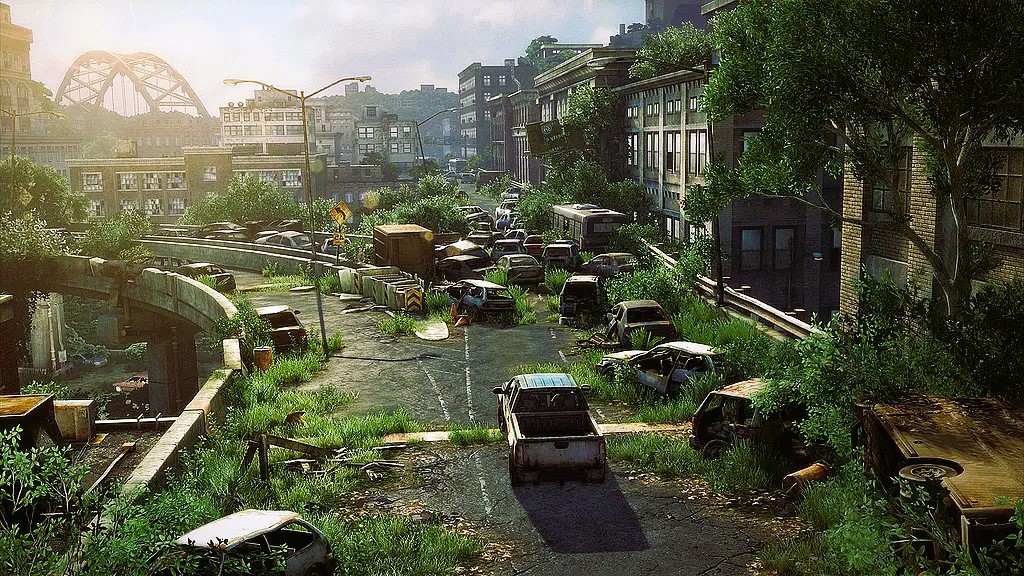
Post-apocalyptic games transport players into desolate worlds, challenging their survival instincts and immersing them in narratives of collapse and renewal. The success of these games often lies in their realism—capturing the grittiness, humanity, and complex struggles that define such scenarios. Much of this realism stems from the influence of literature. From The Road by Cormac McCarthy to Margaret Atwood’s The Handmaid’s Tale, post-apocalyptic novels have set a high standard for emotional depth, world-building, and social commentary.
This article explores how game developers draw lessons from literature to create believable post-apocalyptic settings and narratives, and what more they can learn to elevate the genre further.
The Importance of Realism in Post-Apocalyptic Games
Realism is critical in post-apocalyptic games as it strengthens player immersion. Whether it’s the crumbling cities of The Last of Us or the harsh nuclear wastelands of Fallout, realism anchors the player in a believable world. Realism in this context doesn’t only mean accurate visuals but also emotional and narrative depth that mirrors the struggles depicted in post-apocalyptic literature.
When realism is achieved, players are more likely to empathize with the characters, question societal constructs, and reflect on humanity’s resilience. These themes, so deeply rooted in literature, elevate games beyond mere entertainment.
Lessons from Literature: Key Elements of Realism
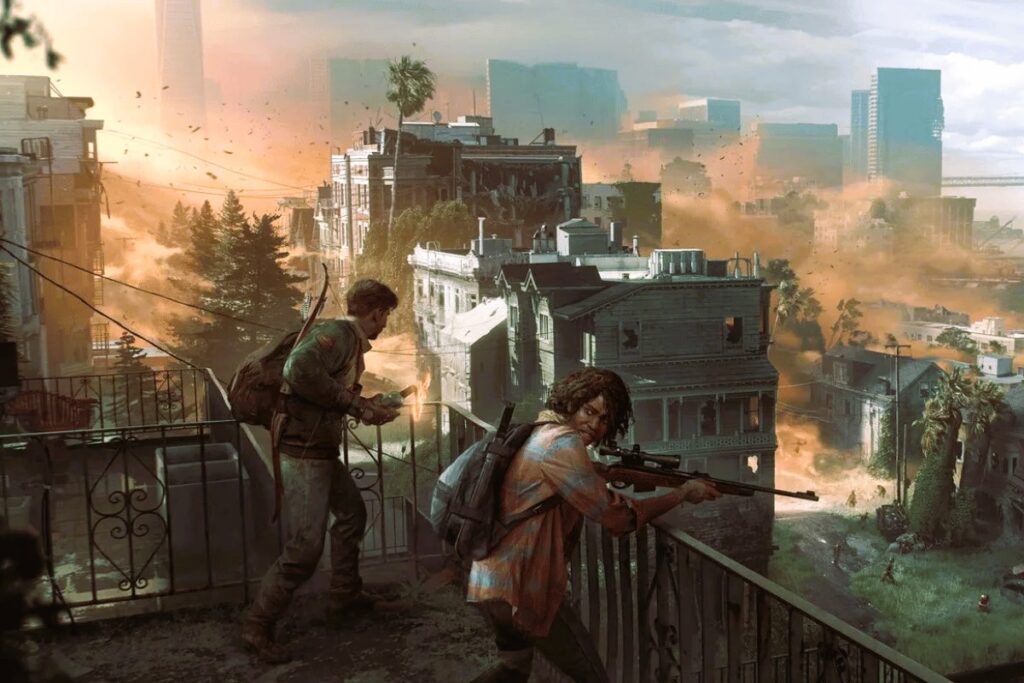
Post-apocalyptic novels have long explored the human condition in the face of disaster. Developers can draw on these key literary elements:
1. Believable World-Building
Post-apocalyptic literature often excels in constructing detailed, immersive worlds. For instance:
- Cormac McCarthy’s The Road depicts a grim, ash-covered Earth. Its barren landscapes are devoid of hope, reflecting humanity’s fragility.
- Emily St. John Mandel’s Station Eleven balances the desolation of a global pandemic with glimpses of beauty in human resilience and art.
In games, replicating such detailed environments is crucial. Titles like Metro Exodus successfully capture the claustrophobic decay of underground tunnels and the contrasting beauty of desolate wilderness. The attention to small details—weathered objects, eerie silences, and ruins of civilization—makes the experience more authentic. Like our article? Read also about the best adventure books.
2. Human-Centric Storytelling
At the heart of every great post-apocalyptic story is the human element. Literature often focuses on how individuals adapt, struggle, and change:
- In The Road, the bond between father and son drives the narrative, making their survival emotionally impactful.
- Margaret Atwood’s Oryx and Crake explores personal loss, moral ambiguity, and the consequences of unchecked ambition.
Game developers often incorporate these themes to deepen their stories. For example, in The Last of Us, Joel and Ellie’s relationship mirrors the emotional intensity of literary pairings. Their decisions, fears, and growth make the narrative relatable, despite its bleak setting.
3. Morally Complex Decisions
In literature, post-apocalyptic worlds are rarely black-and-white; they are filled with moral dilemmas. Authors like Octavia E. Butler in Parable of the Sower confront readers with questions about survival ethics and community building.
Games like Fallout: New Vegas take this approach, offering players branching narratives that reflect difficult choices. Should you align with a corrupt faction for personal gain, or risk everything for a crumbling ideal? These decisions mirror the moral ambiguity often found in post-apocalyptic literature.
4. Exploring Societal Collapse
Literature often dissects the social structures that emerge after apocalyptic events. Works like The Stand by Stephen King or The Hunger Games by Suzanne Collins delve into the formation of new hierarchies, ideologies, and power struggles.
Games like Horizon Zero Dawn explore these themes, revealing how ancient civilizations fell and new societies rose from their ashes. By weaving complex histories and societal structures, developers can emulate the depth seen in literature.
Challenges in Translating Literature to Games
While literature provides a roadmap, creating realism in games presents unique challenges:
- Interactive Freedom vs. Narrative Control: Books offer a fixed narrative, while games must allow players agency, which can dilute the emotional impact.
- Visual Constraints: Translating the rich imagery of novels into game environments can be resource-intensive.
- Pacing: Literary works have the freedom to dwell on introspection, while games often prioritize action to keep players engaged.
The Future of Realism in Post-Apocalyptic Games
Incorporating AI for Dynamic Narratives
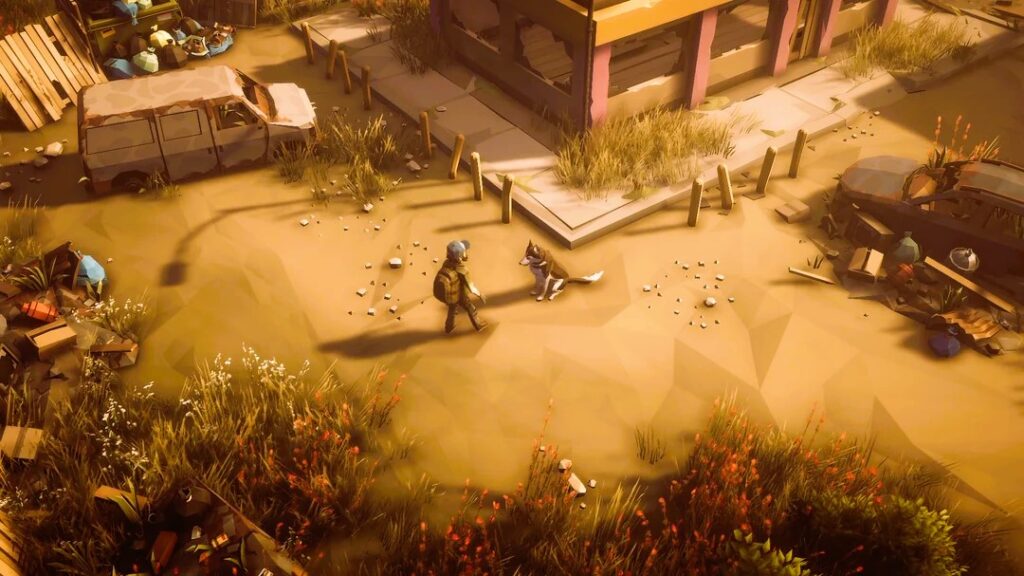
Advances in AI could allow games to generate adaptive storylines, mirroring the unpredictability of post-apocalyptic novels. For example, NPCs could respond to players’ choices in more nuanced ways, creating emergent narratives.
Hybrid Media Experiences
Future games might integrate direct references to literature. For example, players could discover excerpts from books like Earth Abides or A Canticle for Leibowitz within the game world, blurring the lines between mediums.
Focus on Underrepresented Voices
Post-apocalyptic literature by authors from diverse backgrounds, like N.K. Jemisin’s The Broken Earth trilogy, offers fresh perspectives. By adapting such works, games could explore themes of environmentalism, systemic inequality, and cultural resilience.
Post-apocalyptic games that draw from literature are more than just immersive experiences—they are explorations of humanity’s greatest fears and hopes. By learning from the emotional depth, moral ambiguity, and intricate world-building of novels, game developers can create stories that resonate deeply with players.
The next evolution of gaming lies in bridging the gap between mediums, continuing to draw inspiration from the powerful narratives of literature.
Explore more about post-apocalyptic themes on Fandom.
Top 10 Fantasy Books That Inspired Best-Selling Games