
The Challenges of Turning Books into Successful Video Games
Adapting a beloved book into a video game is no easy feat. Whether it’s the rich world-building of a fantasy novel or the tense atmosphere of a thriller, video game developers face the monumental task of transforming a medium designed for passive consumption into one where players actively shape the story. In this article, we’ll explore the challenges that developers face when turning books into successful video games.
Staying True to the Source Material
One of the biggest challenges in adapting a book into a video game is staying true to the source material while ensuring the game stands on its own. Books, especially those with a deep narrative, often have a slower, more introspective pace, which can be difficult to translate into a medium that thrives on action and interactivity. Fans of the original book often expect the game to reflect the tone, themes, and characters they love, but balancing this with gameplay elements can be tricky.
For example, the Witcher series, based on Andrzej Sapkowski’s novels, successfully translated the book’s rich narrative and complex world into a successful video game. However, the game’s focus on player choice and action required the developers to condense or alter certain aspects of the original story.
Creating an Engaging Gameplay Experience
Books often rely on internal monologue, detailed descriptions, and linear storytelling to convey emotions, motivations, and the world around the characters. In video games, these elements need to be adapted into a dynamic and interactive experience. The challenge lies in integrating meaningful gameplay mechanics with the story to ensure that players are both entertained and immersed in the world.
Books like The Hunger Games lend themselves easily to video game adaptations because they already contain elements of conflict, survival, and strategy. However, books with heavy dialogue or philosophical themes, like The Name of the Wind by Patrick Rothfuss, face the challenge of incorporating deep character development and narrative pacing into interactive gameplay.
Adapting the World-Building
Books, especially in genres like fantasy and science fiction, often feature expansive world-building. Descriptions of magical worlds, dystopian societies, or futuristic cities are vivid in the minds of readers, but recreating these worlds in a video game requires a huge investment of resources. Developers need to decide how much of the world to include and how to translate descriptions into interactive elements.
Games like The Witcher 3 and Skyrim showcase successful adaptations, turning elaborate settings into engaging virtual worlds. The challenge is creating an experience that feels rich and lived-in without overwhelming the player with an overload of information. The world must react to the player’s actions, making it more immersive and interactive.
Balancing Storytelling and Player Agency
In a book, the narrative is generally fixed, with a predetermined arc and a set ending. In video games, however, players are in control of their own actions, and their decisions can affect the story. Balancing player agency with a cohesive narrative is one of the most difficult aspects of adapting books into games.
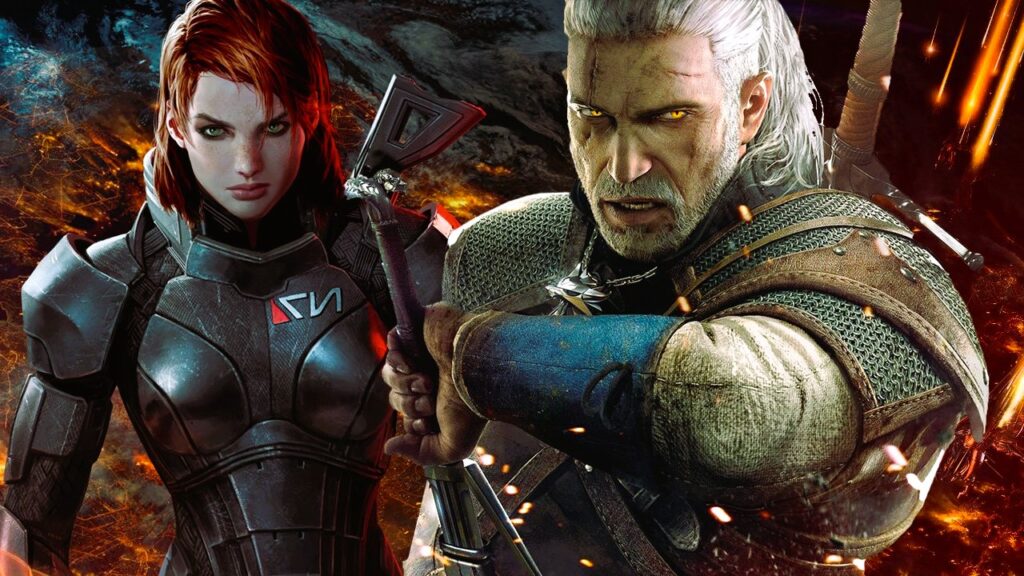
Games like Mass Effect and The Witcher 3 have managed to incorporate player choices into their stories without sacrificing the integrity of the original narrative. However, this requires careful planning to ensure that player actions feel meaningful while the story remains coherent and engaging.
Addressing Fan Expectations
Another major challenge is meeting fan expectations. Fans of a book often have deeply personal connections to the characters, the story, and the world, and they may have specific ideas about how things should unfold in the game. Developers must balance fan service with creative freedom, finding a way to stay true to the source material while also creating a game that can stand on its own.
For example, The Witcher 3 stayed true to the essence of Sapkowski’s books while offering unique experiences that weren’t directly tied to the plot. This balance between fan expectations and creative interpretation is key to creating a successful adaptation. Did you like the article? Read also about the 10 best fantasy books.
Technological Constraints and Budget
Creating a video game that captures the scope and complexity of a book can be costly and time-consuming. Large-scale projects like The Witcher 3 have the resources to invest in high-quality graphics, voice acting, and dynamic environments. However, smaller adaptations often struggle with these constraints. This can lead to compromises, such as reducing the number of characters or simplifying plot points to fit within the game’s budget and technology.
Technological limitations can sometimes lead to a game that doesn’t fully capture the depth of the book, which can disappoint fans. Balancing ambition with realistic constraints is an ongoing challenge for developers.
Turning a book into a successful video game is a complex process filled with challenges. From maintaining the essence of the original story to ensuring engaging gameplay, developers must navigate a myriad of obstacles. However, when done right, these adaptations can offer incredible experiences. Games like The Witcher 3 and Metro 2033 demonstrate that with the right balance of respect for the source material and creative innovation, books can be transformed into immersive video games that resonate with both fans and new players alike.
For more information on the process of game development and adaptations, check out this Wikipedia page on video game adaptations.
Top 10 Fantasy Books That Inspired Best-Selling Games